
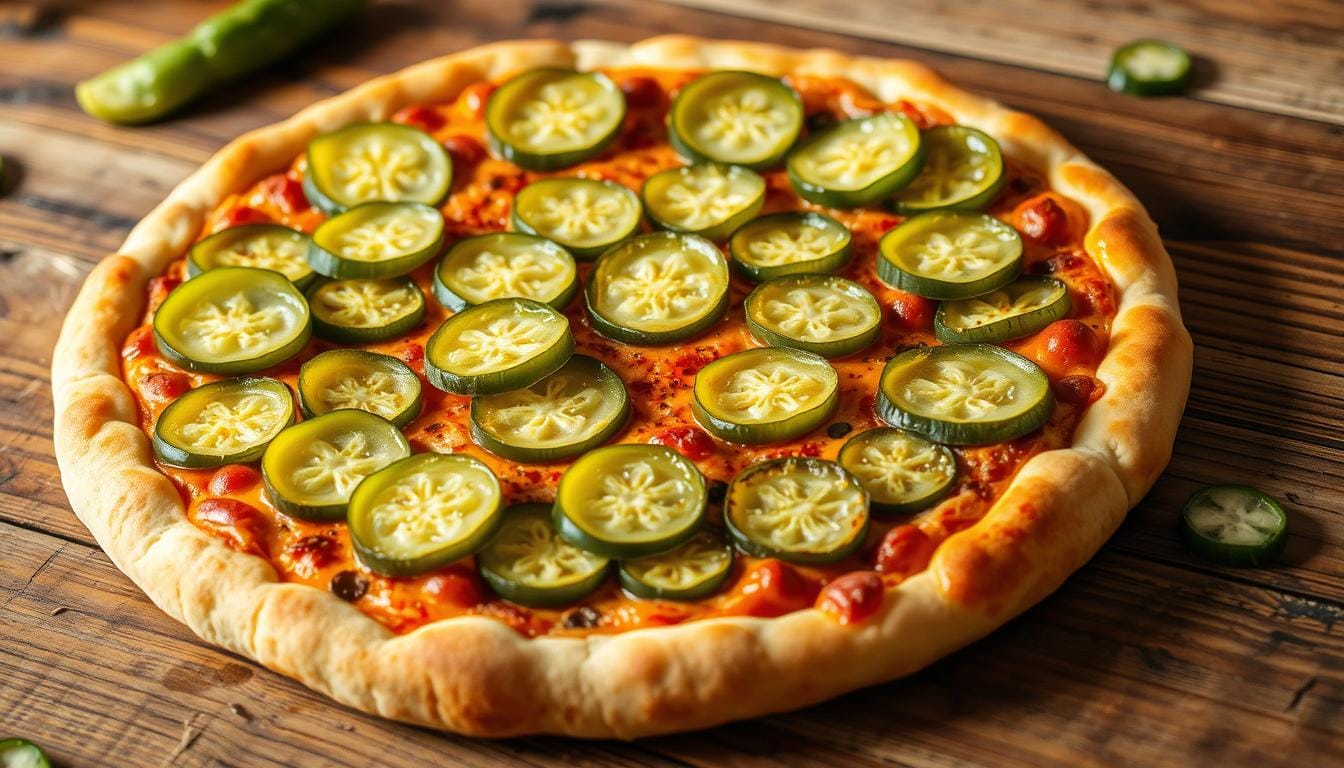
Easy Pickle pie Pizza Guide – Ingredients,Tips & Variations
What if your next homemade creation could redefine how you think about classic comfort food? This unexpected twist on pickle pie pizza merges creamy, tangy, and savory notes into one mouthwatering dish that’s taking kitchens by storm.
Imagine a thin, crispy crust layered with aromatic garlic sauce, melted mozzarella, and sharp parmesan. The star ingredient? Briny dill slices that add a bold kick to every bite. Whether you’re a dough-from-scratch enthusiast or prefer store-bought bases, this pickle pizza recipe adapts to your style and works with different types of pizza dough.
You’ll discover how balancing textures and flavors creates a meal that’s both familiar and exciting. From quick weeknight dinners to weekend experiments, this pickle pie pizza process is designed for any skill level. Tried-and-tested methods ensure your results stay consistent, while optional toppings let you personalize each slice.
Ready to explore why food lovers can’t stop talking about this trend? Let’s break down the essentials of making pickle pizza—no fancy tools like a pizza stone are required (though it can improve crispness). Your kitchen adventure starts here.
Table of Contents
Introduction to the Pickle Pie Pizza Craze
A bold flavor experiment is taking over social media feeds and dinner tables, challenging traditional pizza norms. This trend blends briny crunch with creamy indulgence—a mix that started with home cooks sharing their creations online and quickly landed on restaurant menus nationwide.
What Makes This Fusion Unique?
Instead of predictable tomato sauce, this recipe uses garlic-infused cream as its base. The sharpness of dill-forward pickles cuts through rich mozzarella and parmesan, creating a tangy-savory balance. Even the dough plays a role—crispy edges contrast with soft, chewy centers for multi-textured bites.
Flavor Meets Virality
Platforms like TikTok amplified its popularity, while shows like Chef’s Table praised its inventive spirit. Food enthusiasts love how customizable it is:
- Swap store-bought crust for homemade pizza dough
- Try spicy pickles or add bacon bits
- Experiment with garlic sauce thickness
Chefs credit its success to unexpected contrasts and shareable visuals. Melty cheese pools around bright green pickle slices, making every slice Instagram-ready. Ready to master the technique? The next sections break down ingredients, tools, and pro tips.
Essential Ingredients and Kitchen Tools
Every culinary masterpiece begins with the right components and equipment. Precision in selection ensures your creation achieves the perfect balance of crunch, creaminess, and zest. Let’s explore what transforms ordinary ingredients into an extraordinary flavor experience.
Key Ingredients: Tangy Meets Creamy
Opt for fresh dill slices with firm texture—their sharp acidity cuts through rich cheeses. Whole-milk mozzarella delivers superior meltability, while aged parmesan adds nutty depth. For garlic sauce, blend olive oil, minced cloves, and a dash of lemon juice using precise cup measurements.
Must-Have Tools for Perfect Execution
A pizza stone is non-negotiable for crispy crusts. It distributes heat evenly, mimicking professional oven results. Pair it with:
- A dough roller for uniform thickness
- Mandoline slicer for paper-thin vegetable cuts
- Digital thermometer for accurate oven checks
Preheat your oven to 475°F for at least 30 minutes before baking. This ensures the stone reaches optimal temperature. Bake for 12-14 minutes, rotating halfway for even browning. Store-bought dough works if pressed thin—aim for ¼-inch thickness.
Step-by-Step Recipe Guide for Pickle Pie Pizza
Unlock the secrets to crafting a perfectly balanced dish that’s equal parts crispy, creamy, and zesty. This guide walks you through each stage, from preparing the foundation to achieving that ideal golden finish. With clear instructions and pro tips, even first-timers can nail this crowd-pleaser.
Preparing the Dough and Garlic Sauce
Start by mixing flour, yeast, and warm water until the dough forms a smooth ball. Roll it to ¼-inch thickness for optimal crispiness. If using store-bought dough, let it rest at room temperature for 15 minutes before shaping.
Combine olive oil, minced garlic, and lemon juice for the garlic sauce—whisk until smooth. Let it sit 10 minutes to meld flavors. For best results, refrigerate the sauce if prepping ahead, but bring it back to room temperature before spreading.
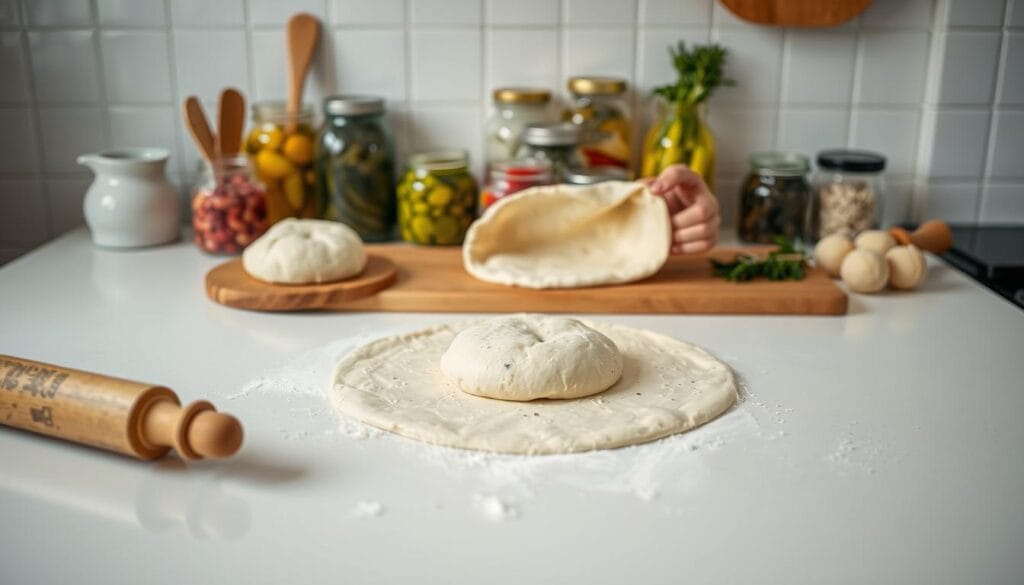
Assembling, Topping, and Baking Your Pizza
Preheat your oven to 400°F with a baking sheet inside. Stretch the dough onto parchment paper, then layer the garlic sauce evenly. Add shredded low-moisture mozzarella first—its reduced water content protects the crust from sogginess.
Arrange dill pickle slices using a mandoline for paper-thin cuts. Top with fresh mozzarella cheese and grated parmesan cheese. Carefully transfer the parchment-lined pizza onto the hot baking sheet.
Bake 16-20 minutes until the edges turn crust golden brown. Rotate halfway for even cooking. Let cool 3 minutes before slicing—this helps the cheese set without sliding off.
Creative Variations and Expert Cooking Tips
Elevate your culinary game with chef-approved twists that transform familiar flavors into showstopping meals. Drawing from techniques by Ann Kim and Simply Recipes, these ideas balance tradition with bold experimentation.
Enhancing Flavor with Additional Toppings and Spices
Layer smoky depth by adding Canadian bacon or caramelized onions. For heat, sprinkle crushed red pepper or chili flakes. Pat dill slices dry with paper towels before baking—this prevents sogginess and boosts crunch. Fresh herbs like basil or oregano add aromatic complexity without overpowering the tangy base.
For a simpler approach, you can also try our homemade dill pickle pizza recipe for a more straightforward flavor profile.
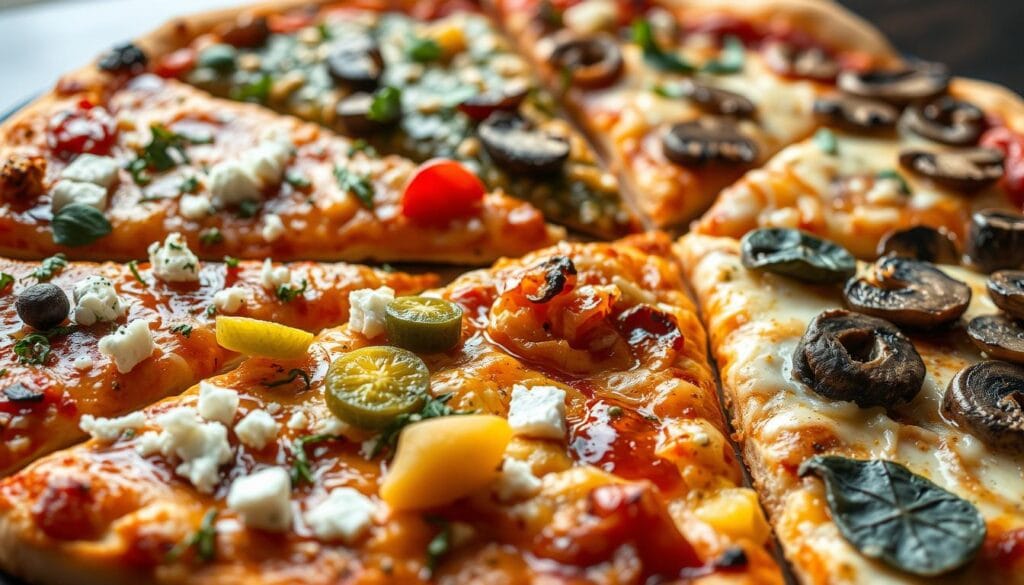
Tips for the Perfect Crust and Cheese Melt
Preheat your pizza oven or home oven to 500°F for a crisp, golden brown finish. If the edges aren’t browning, move the dish to a higher rack. Use a pizza steel for professional-level heat distribution. Rotate halfway through baking to ensure even cooking. Low-moisture cheeses melt smoothly—avoid overloading to keep the crust sturdy.
Innovative Serving Suggestions and Presentation Ideas
Drizzle ranch or garlic aioli in zigzag patterns for visual flair. Garnish with microgreens or lemon zest. Serve slices on a wooden board with pickled veggies on the side. For gatherings, cut into bite-sized pieces and skewer with fresh dill sprigs.
Conclusion
Great pickle pie pizza recipes are built on simple techniques and quality pizza dough done well. When you start with a properly prepared dough, quality cheese, and balanced toppings, everything else falls into place. Baking at high heat and managing moisture carefully are the small details that transform good pizza into something truly memorable.
Once you’re comfortable with the basics, don’t be afraid to experiment. Add your favorite sauces, adjust the seasoning, or try new topping combinations to match your taste. Whether you follow the method step by step or add your own twist, this recipe rewards creativity. Preheat your oven, trust the process, and enjoy every crisp, flavorful slice.
FAQ
Can I substitute low-moisture mozzarella with another cheese?
Yes, you can use provolone or a blend of cheddar and Monterey Jack for a sharper flavor. Avoid fresh mozzarella, as its higher moisture content may make the crust soggy.
Is a pizza stone required for this recipe?
How do I stop the dough from sticking when transferring it?
Can I make the sauce ahead of time?
What’s the best way to prepare pickles for topping?
How long should the dough rise?
Can I add additional toppings like meat?
How should leftovers be stored and reheated?
Why is my crust soft instead of crispy?
Bake It. Love It. Tell Us About It.
There are no reviews yet. Be the first one to write one.